Search
Close this search box.

Promoting Health and Child Wellbeing

Educational initiatives—particularly quality early childhood education—have been a central focus of AJEEC’s work since its founding. This is rooted in the belief that equal opportunity for women, children, youth, and young adults leads to a more just society in which every citizen can realize their full potential.

Early childhood development is critical to success in all other stages of life. The early years are a key period for acquiring cognitive and socio-emotional skills. Investment in high-quality experiences during these years has a profoundly positive impact on individuals, communities, and society at large. Conversely, gaps formed during this period limit a person’s chances of success later in life.

Bedouin society in the Negev faces gaps across many areas: shortages in trained educators, caregivers, and rehabilitation professionals; limited access to services and knowledge; and disparities in education, vocational training, employment, and income.

Bedouin localities in Israel—both recognized and unrecognized—grapple with poor infrastructure, hazardous and polluting environments, and a severe lack of recreational and physical activity facilities. These conditions seriously harm public health and make it difficult for community members to maintain a healthy lifestyle. Today, many residents who moved to permanent towns suffer from obesity, diabetes, high blood pressure, heart disease, smoking-related damage, poor nutrition, and chronic stress.
Key Facts and Figures:

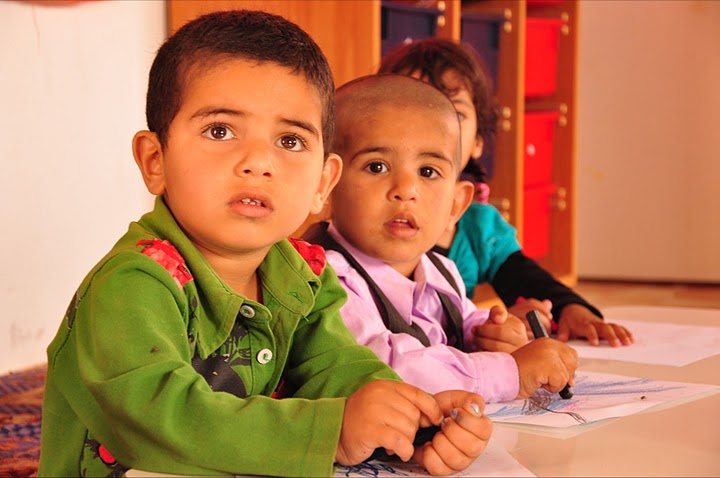
  • There are approximately 66,000 Bedouin children under age 6, including around 34,000 under age 3, in the Negev region. 
  • Most children under age 3 in Bedouin society are in home-based childcare settings, often without professionally trained caregivers.
  • A Bedouin child is three times more likely to die from a household accident than other children in Israel.
  • The infant mortality rate in Bedouin society is six times higher than in Jewish society.
  • 55% of child deaths in Bedouin society result from domestic accidents.
  •  

Our Vision: Bedouin children in the Negev are happy, creative, curious, and independent—nurtured in a supportive community environment that helps them realize their full potential.

Core Programs in the Health and Child Wellbeing Department:

  • Al-Razi Program: A joint initiative with the Ministry of Health that prepares young men and women from the Negev for academic studies in health-related fields (e.g., speech therapy, occupational therapy, nutrition, physiotherapy, and more). The program starts in 12th grade and continues through to job placement.
  • Child Safety Promotion and Injury Prevention Initiative: A collaborative project with the Ministry of Health aimed at reducing child injuries from domestic accidents (e.g., drowning, burns, driveway accidents, falls, poisoning, and choking). The project includes safe playroom installations, staff training, awareness workshops, and public media campaigns.
  • Program to Improve the Quality of Early Childhood Care: Focused on children under age 3 in informal care settings, this program provides caregiver training and raises parental awareness.
  • Partnership with Yalduta Association: This collaboration trains pedagogical mentors to work in unrecognized childcare settings in towns such as Rahat and Hura through both group and individual mentoring.
  • Promoting Healthy Lifestyles: Includes practical workshops for mothers, children, and young adults to instill healthy habits and routines.
  • The Imams Forum: A joint initiative with Soroka Medical Center that disseminates medical knowledge through Friday sermons and mosque-based workshops.
מדיניות פרטיות Skip to content