
Israel is once again facing a period of active conflict. Repeated missile attacks, widespread disruptions to daily life, and ongoing uncertainty are affecting communities across the country.
For many of the Arab and Bedouin communities where AJEEC–NISPED works, this crisis is unfolding on top of existing structural vulnerabilities, including gaps in protective infrastructure, limited access to shelters, and the ongoing impact of crime and violence in Arab society.
Since the first hours of the war, AJEEC–NISPED has activated its emergency response systems, mobilizing staff, volunteers, and community partners across the Negev and throughout the country.
Our teams are working around the clock to support youth, families, and communities while helping maintain stability during a time of crisis.
In many Bedouin villages and Arab towns, residents face particular challenges during periods of conflict.
Many communities lack adequate protected spaces and shelters. In some areas, families must travel significant distances to reach safe locations during missile alerts.
At the same time, the ongoing crisis of crime and violence in Arab society continues to place emotional and social strain on young people and communities.
For many youth and educators, the result is a reality of “emergency within routine”—a constant shift between normal life and moments of crisis.
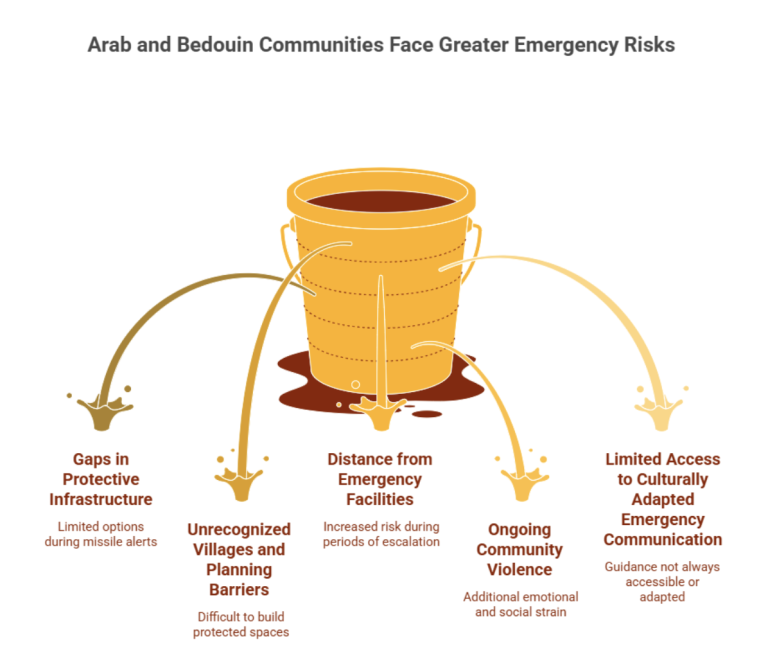
Gaps in protective infrastructure
Many Arab towns and Bedouin villages lack sufficient public shelters or protected spaces, leaving families with limited options during missile alerts.
Unrecognized villages and planning barriers
In parts of the Negev, many Bedouin communities live in villages that lack formal infrastructure, making it difficult to build protected spaces or access emergency services.
Distance from emergency facilities
Some communities are located far from public shelters or emergency response facilities, increasing risk during periods of escalation.
Ongoing community violence
The crisis of crime and violence in Arab society places additional emotional and social strain on young people and communities even during wartime.
Limited access to culturally adapted emergency communication
Official emergency guidance is not always accessible in Arabic or adapted to the specific realities of Arab communities.
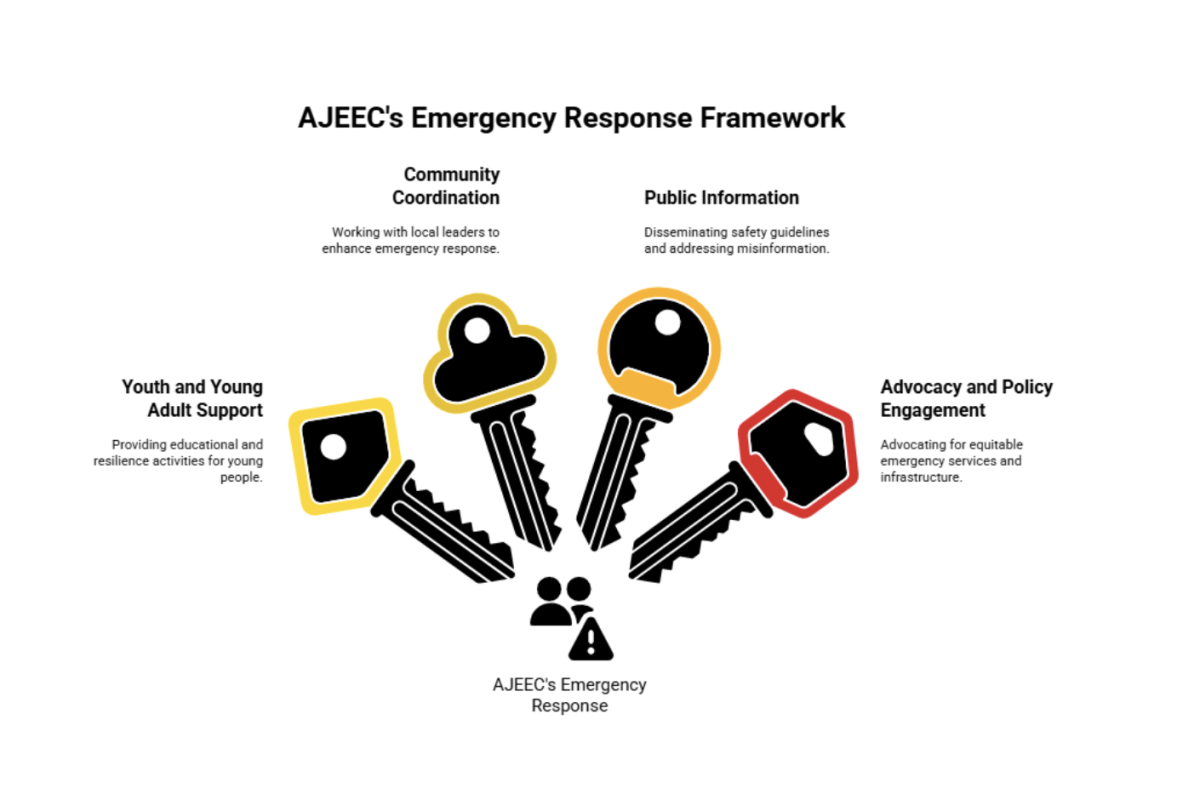
AJEEC’s emergency activities focus on sustaining community resilience, protecting young people, and ensuring that local leadership and civil society organizations are able to respond effectively.
Our response includes several key areas of work:
From the first hours of the war, AJEEC mobilized staff, volunteers, and community partners to respond to the rapidly evolving situation.
Our teams immediately began contacting participants, coordinating with local authorities, and adapting programming to ensure continued support for youth and communities during the crisis.
In the first days of the war, AJEEC:
The short video below highlights some of AJEEC’s activities during the first week of the war.
▶ Watch the video update:
AJEEC Emergency Response Video – March 5 2026.mp4
Alongside its field activities, AJEEC operates a permanent Emergency and Community Resilience Center for Negev Bedouins in the Negev.
The center was established to strengthen emergency preparedness, coordination, and community resilience among Arab and Bedouin communities that often face significant gaps in access to emergency infrastructure and services.
During periods of crisis, the center serves as a coordination hub connecting local municipalities, civil society organizations, youth leadership programs, and national emergency systems.
The center helps ensure that communities receive timely information, coordinated support, and access to critical resources during emergencies.
One of the most urgent needs emerging from the current crisis is mental health and emotional support.
AJEEC’s staff work directly within the communities they serve. They support thousands of young people while themselves experiencing the same pressures of war, repeated sirens, and ongoing violence.
To respond to this need, AJEEC has launched a Mental Health and Organizational Resilience Initiative, developed in partnership with Dr. Nancy Albasal, a clinical psychologist specializing in trauma within Arab society.
The initiative includes:
Strengthening the emotional resilience of staff and participants is essential to ensuring that AJEEC’s programs can continue operating during this crisis.
Even during periods of emergency, AJEEC continues to operate one of the largest youth and young adult leadership frameworks in Arab society.
Each year we work with:
Supporting the resilience of these networks strengthens the stability of communities across the country.
Alongside its emergency programming, AJEEC is working with partner organizations to address structural protection gaps affecting Arab communities during periods of conflict.
Together with civil society partners, we have developed a policy paper outlining key protection gaps and recommendations for improving emergency infrastructure and preparedness in Arab communities.
📄 Read the policy paper here:
Policy-Paper_Negev_Protection-Gaps_2026-English.docx-2.pdf
During the first week of the war, AJEEC hosted a briefing for partners and supporters to provide updates on the situation in the Negev and on our emergency response activities.
The briefing included updates from AJEEC leadership, field staff, and mental health professionals regarding the challenges facing youth, communities, and educators during this period.
▶ Watch the briefing recording here:
AJEEC Emergency Update March 4 2026.mp4
Over the past weeks, AJEEC staff and youth leaders have been supporting their communities while navigating the same uncertainty and fear themselves.
One of our youth coordinators shared:
“When the sirens start, we run with our families to find shelter. A few minutes later, we are on the phone with the young people in our groups, making sure they are safe and trying to calm them.
Many of them are afraid, but they don’t always say it directly. Our role is to create a space where they can talk, process what is happening, and feel that they are not alone.”
Across the country, AJEEC educators, coordinators, and volunteers continue to maintain contact with thousands of young people, providing emotional support, stability, and guidance during an extremely difficult time.
Their ability to do this depends on ensuring that they themselves receive the support and resilience tools they need.
In many Arab and Bedouin communities, civil society organizations play a critical role in bridging gaps between national emergency systems and local realities.
Local organizations help ensure that information reaches communities quickly, that local authorities and national institutions can coordinate effectively, and that vulnerable populations receive support.
By strengthening community leadership, coordination, and resilience, civil society efforts help ensure that all communities are better prepared to respond to national crises.
Your support enables AJEEC to maintain critical community support systems during the current crisis.
Emergency contributions help sustain:
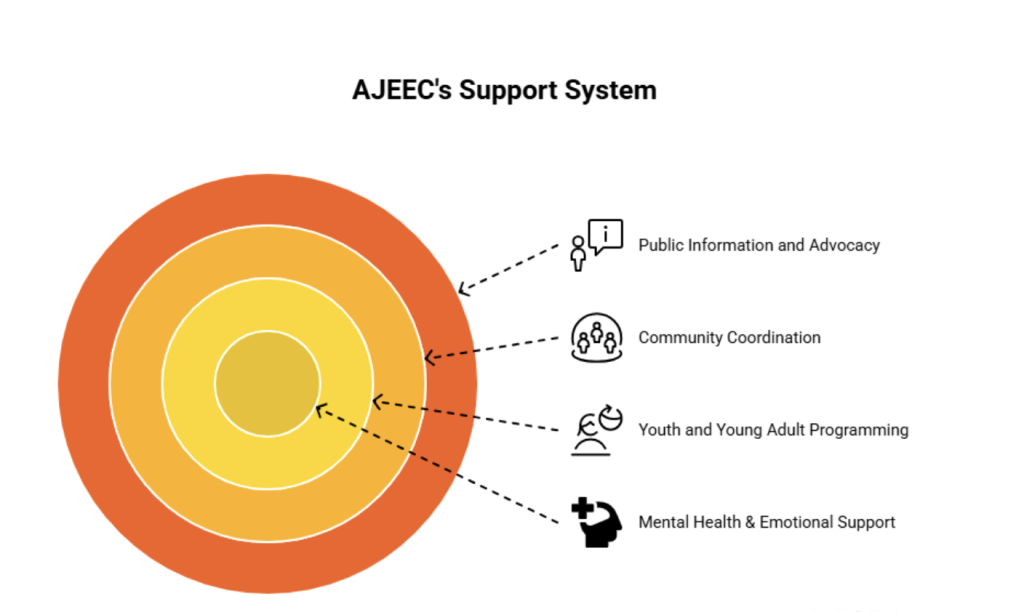
Your partnership enables AJEEC to respond quickly and responsibly to emerging needs in the communities we serve.
Together, we can ensure that young people and communities continue to receive the support they need during this challenging time.